


The Best Slot Games for Big Wins and Bonus Rounds in 2024
Slot games are pure, fast-paced fun where you spin the reels and hope for matching symbols to land on a payline. You simply set your bet, hit the spin button, and watch the action unfold with exciting sounds and flashing lights. They offer a simple escape, giving you the chance to win instant rewards without needing any special skills or strategies. Just remember to set a budget before you start playing, and enjoy the thrill of each spin.
How Do These Reel Games Actually Work?
You tap spin, and those reels blur into a cinematic blur. The magic isn’t in the spinning, though—the game has already decided the outcome the instant you pressed the button. A random number generator (RNG) fired off a number sequence that mapped directly to a reel game result on the paytable. Each reel stops on a specific symbol because the RNG’s output, not any physics or momentum, dictated that exact position. The spin animation is just a dramatic reveal, a slow-motion countdown to the pre-determined payline match. Whether you win or lose was locked in before the first symbol slid into view.
What Random Number Generators Mean for Your Play
Every spin you take is governed by a Random Number Generator (RNG), a core algorithm that continuously produces thousands of numbers per second. The moment you press spin, the RNG captures that exact microsecond’s number, mapping it directly to a specific reel outcome. This makes each result completely independent of all prior spins, meaning a machine that just paid out a jackpot has no lower chance on the next spin. For your play, this guarantees unpredictability: no pattern, timing, or bet size can influence what the RNG selects next. The sequence for how the RNG affects your session is clear:
- The RNG picks a number from a vast range (e.g., 0–4 billion).
- That number maps to a specific stop position for each reel via a translation table.
- The game logic displays those positions as symbols, showing your result instantly.
Understanding this reinforces that every spin is a fresh, fair event.
The Role of Paylines Versus Ways to Win
Traditional slot games rely on fixed paylines, where wins occur only when matching symbols land on predetermined, active lines. In contrast, Ways to Win systems abolish these lines entirely; any matching symbol in adjacent reels from left to right creates a payout, regardless of position. This mechanic dramatically increases winning potential, often offering thousands of ways. For players, fixed paylines demand strategic bet per line decisions, while Ways to Win simplify wagering into a single, all-encompassing bet. The core advantage lies in maximizing symbol coverage across the entire reel set, reducing the frustration of near-misses on inactive lines. To evaluate which suits you:
- Count total paylines or ways; higher numbers generally mean more frequent hits.
- Check symbol rules; some Ways games require only one symbol per reel.
- Compare volatility; payline games often offer higher individual line payouts.

Which Features Boost Your Chances in a Spinning Game
When you’re spinning reels, high-volatility slots can boost your chances of landing a big win, though they come with longer dry spells. Look for features like wild symbols that substitute for others, scatters that trigger free spins, and multipliers that increase your payout mid-round. Bonus buy options let you skip straight to the action, while cascading reels remove winning symbols for extra spins. Q: Which feature most directly improves odds in a spinning game? A: Free spins with multipliers, since they give you more rounds without extra cost and amplify any wins during them. Always check the game’s RTP—higher percentages mean better long-term returns, but the volatility determines how often those chances hit.
Wilds, Scatters, and Multipliers Explained
Wilds act as versatile substitutes, filling in for other symbols to complete winning paylines, while Scatters typically trigger bonus rounds or free spins regardless of their position on the reels. Multipliers directly amplify your payout by a set factor, often appearing within base gameplay or activating during special features like free spin sequences. Understanding how these slot game feature mechanics interact is crucial; a Wild landing alongside a Multiplier can exponentially increase a win, and Scatters often unlock rounds where both Wilds and escalating Multipliers are more frequent. Each element serves a distinct function to enhance your payout potential.
Wilds replace symbols to form wins, Scatters unlock bonus rounds from any position, and Multipliers boost payouts, often combining for amplified rewards in slot games.
Why Free Spins and Bonus Rounds Matter
Free spins and bonus rounds matter because they directly amplify your playtime and winning potential without extra cost. Triggering these features often unlocks multipliers, expanding wilds, or pick-a-prize mechanics that can turn a modest spin into a significant payout. They effectively bypass the base game’s lower hit frequency, concentrating value into high-energy sequences. This creates a dynamic shift where strategic feature triggers become your primary path to maximizing returns, as these rounds frequently offer the only chance for the game’s biggest jackpots or cascading wins.
What Volatility Tells You About a Machine
In slot games, volatility tells you the risk-to-reward profile of a machine. High volatility slots are designed for players who can endure long dry spells in exchange for infrequent but massive payout spikes. Conversely, low volatility machines deliver frequent, modest wins to keep your bankroll steady. This determines your betting strategy: volatile slots demand a larger budget and patience, while low-volatility games suit extended, low-risk sessions. By checking a machine’s volatility, you directly predict how it will behave during your play—whether you’ll chase a life-changing hit or enjoy consistent smaller returns.

High vs. Low Variance: Matching Games to Your Style
Choosing between high and low variance slots is all about matching the game to your mood and bankroll. Low variance machines offer frequent, smaller wins, perfect for longer, relaxed sessions where you want to stretch your play. High variance slots, on the other hand, are for thrill-seekers; you’ll face longer dry spells before hitting huge, potentially life-changing payouts. The key is matching volatility to bankroll. If you have limited funds, start with low variance to avoid busting quickly. For a strategic approach, follow this simple sequence:
- Assess your session budget and desired playtime.
- Check the game’s volatility rating or RTP info.
- Choose low variance for steady fun, or high variance for big-win chases.
This ensures your style and expectations stay aligned with the machine’s behavior.
How to Spot a Balanced Game for Longer Sessions
To spot a balanced game for longer sessions, look for medium volatility slots. These machines blend frequent small wins with occasional larger payouts, keeping your bankroll steady. Check the paytable for a moderate top prize (like 500-1000x your bet) and a hit frequency around 20-30%. Also, try free demos to see if the game’s bonus rounds trigger regularly without long dry spells. This balance prevents you from burning through credits too fast or getting bored.

What the Return-to-Player Percentage Really Means
The Return-to-Player (RTP) percentage in slot games represents the theoretical long-term payout to players over millions of spins, not a guaranteed return per session. A 96% RTP means the game is designed to pay back $96 for every $100 wagered, but this is averaged across all players and infinite play. In a single short session, actual results can vary wildly. Short Q&A: Q: Does a higher RTP guarantee I win more? A: No, it simply reduces the house edge over extreme play volume, never influencing short-term randomness. Always view RTP as a statistical guide, not a predictor for any individual spin or visit.
Why a 96% RTP Game Differs from a 92% One
A 96% RTP slot game directly returns four more dollars per hundred wagered over time than a 92% one, making practical session endurance the core difference. That 4% gap compounds: for every $1,000 cycled through, the 96% game theoretically loses only $40 versus $80 for the 92% variant. This extends playtime significantly because volatility feels less punishing—bankroll drains slower, giving more spins and more chances to hit features. The lower house edge on a 96% machine means retained value per spin is higher.
- A 96% RTP reduces the average cost per 100 spins compared to a 92% RTP.
- Longer play sessions on 96% RTP increase odds of triggering bonus rounds.
- Bankroll requires less frequent reloading on the higher RTP slot.
How to Use RTP as a Selection Tool

To use RTP as a selection tool in slot games, first compare the listed percentages of similar game types. Prioritize slots with RTPs of 96% or higher, as these mathematically return more to players over extended play. However, RTP is a theoretical long-term average, not a guarantee for any single session. For practical filtering, follow this sequence:
- Identify games with an RTP of 97% or above for maximum theoretical return.
- Cross-check this percentage with the game’s volatility, as high RTP with high volatility means longer dry spells despite eventual payout.
- Filter for RTP only after confirming the game’s theme and bonus features suit your preference.
Use RTP as your primary slots selection filter when choosing between two otherwise equal games.
Which Betting Strategies Fit These Games Best
For slot games, a flat betting strategy fits best because it keeps your bankroll steady and extends playtime, avoiding rapid losses. A common variation is the “low-and-slow” approach, where you set a fixed, small bet size and only increase it after a significant win, using house money. However, “hit-and-run” tactics—playing high volatility slots for a few max-bet spins then quitting—only suit players who accept a very high risk of immediate bust. Always match your bet size to the game’s volatility and your session budget.
Coin Sizes, Max Bets, and Bankroll Management
Selecting the appropriate coin sizes and max bets is fundamental to bankroll management in slots. Players should align their coin denomination with their total budget, as larger coins increase per-spin cost. Betting the maximum coins often unlocks jackpots or enhanced paylines, but this must be weighed against bankroll longevity. A Parimatch login common strategy is to divide your total bankroll into 50-100 session bets. For example, with a $100 bankroll, betting $1 per spin allows for 100 spins; choosing max coin size on a $0.25 minimum game would deplete funds faster. Adjusting coin sizes downward extends playtime, while increasing bet size during winning streaks can capitalize on momentum without risking the base bankroll.
When to Increase or Decrease Your Stake
In slot games, increasing your stake during a bonus feature can maximize payouts when volatility is high, as these rounds often multiply your bet. Decrease your stake after a significant win or during a prolonged dry spell to preserve your bankroll and avoid chasing losses. If a game has delivered several small wins in a row, raising your stake slightly may capitalize on a potential payback cycle. Conversely, reduce stakes when you hit your loss limit or when the slot’s RTP and hit frequency feel unpredictable, ensuring you stay in control without overextending.
| When to Increase Stake | When to Decrease Stake |
|---|---|
| During bonus features or free spins | After a large win to lock in profits |
| After a sequence of small, consistent wins | During a long losing streak |
| When volatility aligns with your bankroll | When nearing your predetermined loss limit |
How to Pick a Game That Keeps You Engaged
To pick a slot game that keeps you engaged, focus on volatility first. Low volatility gives small, frequent wins, perfect for long, casual sessions, while high volatility delivers big, rare payouts for thrilling suspense. Next, check the Return to Player; aim for 96% or higher to maximize your long-term value. Then, explore the bonus features—free spins, multipliers, and interactive pick rounds prevent boredom and add strategy. Always preview the game in free demo mode to test its pace and theme without risking money. Finally, choose a theme that genuinely interests you, whether it’s mythology or adventure, because visual appeal directly fuels your focus.
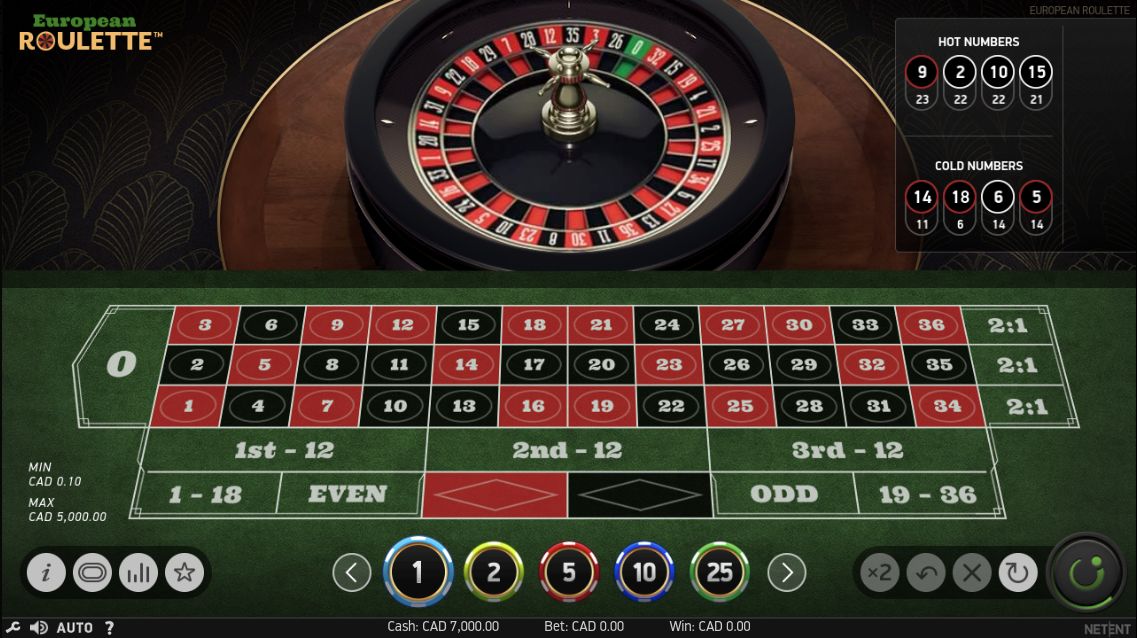
Themes, Soundtracks, and Visual Appeal: Do They Matter?
Themes, soundtracks, and visual appeal are foundational to sustained engagement, not mere decoration. A cohesive theme—whether ancient mythology or futuristic space—creates narrative immersion that reinforces your intent to spin. A dynamic soundtrack with escalating tempo directly influences your psychological pacing, preventing fatigue. Sharp, fluid visual feedback (symbol animations, win celebrations) anchors real-time reward recognition. Neglecting these elements often leads to shallow play and quicker disinterest.
- Cohesive theme immersion sustains long-session focus by connecting each spin to a narrative arc.
- Dynamic soundtracks modulate tension and release, aligning with your desired play intensity.
- High-contrast, fluid visual feedback ensures instant win recognition and reduces cognitive load.
Testing Demos Before Depositing Real Money
Before committing cash, always test a slot’s demo mode. This risk-free trial reveals the game’s actual volatility, hit frequency, and bonus triggers. You can gauge if the pacing keeps you engaged without financial pressure. Testing demos before depositing real money exposes whether a slot’s theme and features sustain your interest over time. For instance, a 20-spin demo run can confirm if the bonus round feels rewarding or frustrating.
Q: Why test a demo instead of just reading reviews? A: Demos give you hands-on feel for the slot’s rhythm and payout behavior, which reviews cannot replicate accurately. A short demo session prevents regret from an impulsive deposit.
